




What Is Display Bonding?
Attaching a touch panel or protective cover glass to an LCD module often requires a specialized adhesive process based on application and use case. Display bonding secures these layers together to create a single, functional screen.
Engineers must select the correct method based on the product’s final operating environment. The choice between air-gap methods and solid resin layers directly impacts screen readability, structural durability, and the overall project budget.
Optical Bonding vs. Perimeter Bonding
Deciding between optical bonding and perimeter bonding comes down to balancing performance requirements with your manufacturing budget. We help you navigate this choice quickly and confidently so you can present a competitive solution to management.
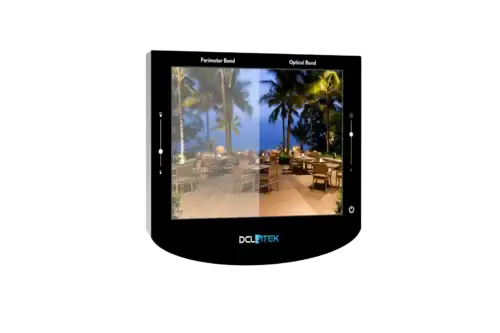
Full optical methods fill the entire gap between the glass and the display to maximize sunlight viewability and physical strength. Perimeter methods only seal the edges, leaving an air gap in the center. While perimeter methods save money, they lack the advanced glare reduction necessary for direct sunlight exposure.
Optical Bonding
Process Overview
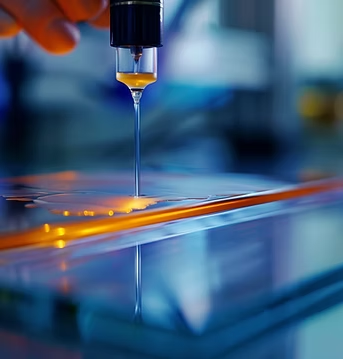
This technique injects a clear liquid resin or dry film adhesive across the entire surface area between the LCD and the touch glass. Technicians cure this layer to create a completely solid, index-matched bond. This eliminates the internal air gap.
Benefits
- Enhanced readability. Removing the air gap eliminates internal reflections. This creates a brilliant optical bonding display that remains legible in high ambient light and direct sunlight.
- Moisture protection. A solid adhesive layer prevents condensation and fogging from forming beneath the glass during severe temperature fluctuations in outdoor environments.
- Increased durability. The solid backing absorbs physical impacts and vibration to protect the fragile LCD components in rugged settings.
Applications
- Outdoor kiosks. Unattended ticketing machines and EV chargers demand maximum glare reduction to remain functional for users outside.
- Rugged transportation. Logistics tablets and vehicle monitors rely on the extra shock absorption to survive constant movement.
Perimeter Bonding
Process Overview
Also known as air-gap bonding, this process applies a double-sided adhesive strip exclusively around the outer edges of the display bezel. This attaches the cover glass while leaving a distinct air pocket between the glass and the screen.
Benefits
- Budget optimization. The streamlined application process uses less adhesive material and reduces overall manufacturing costs.
- Simplified repairs. Factory technicians can detach the touch glass more easily to salvage the underlying LCD if a component fails during assembly.
- Indoor reliability. This method performs perfectly well in controlled lighting conditions where severe glare is not an issue.
Applications
- Retail technology. Self-service checkouts and smart vending machines inside stores operate safely without full optical treatment.
- Industrial computers. Factory floor monitors perform reliably with standard edge adhesives.
Contact the Experts at DCL Technologies, Inc. to Learn More
DCL Technologies, Inc. makes your job easy by delivering fast, straightforward guidance on complex component choices. We have the engineering expertise to help you determine if optical bonding is worth the investment or if standard perimeter bonding fits your project scope.
Our team supplies the exact size, brightness, resolution, and touch technology you need without long lead times. Partner with us to secure reliable display bonding solutions for your next commercial build.
Book a call to discuss your exact display specifications with our engineering team today.


