Designing a touch panel for a medical device means meeting regulatory standards, planning for long-term support, and building for durability, harsh cleaning and gloved use. This article covers seven key considerations for medical touch panel and display design.
Are you looking for innovative solutions to manufacture functional and durable touch panels for medical applications such as MRI machines, CT scanners, patient monitors, ECG machines, ultrasound devices, glucose monitors, infusion pumps, defibrillators, anesthesia machines, or wearable health devices?
In the fast-paced and precise world of medical technology, touch panels have become a cornerstone of innovation. Whether in diagnostic equipment, surgical systems, or patient care devices, custom-designed displays play a vital role in enabling seamless operation and interaction. However, designing a touch panel solution for medical applications requires addressing unique challenges to meet industry demands for reliability, durability, and long-term performance.
At DCL Technologies, we specialize in crafting custom display solutions tailored to the specific needs of the medical field. Here are the key considerations to keep in mind when designing displays for medical touch panel applications.
1. Meeting Regulatory Standards
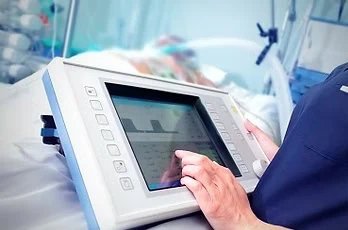
Medical equipment must comply with stringent industry regulations and certifications, such as ISO 13485 or FDA requirements. Ensuring your touch panel solution meets these standards is critical to getting your product to market. Working with a supplier like DCL Technologies, who is experienced in medical-grade displays can help you navigate these requirements.
2. Longevity and Long-Term Support
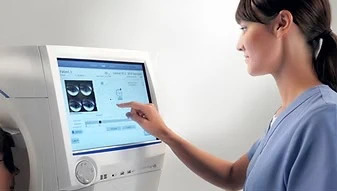
Medical devices are typically used for extended periods, often exceeding a decade. As a result, ensuring longevity and long-term support for touch panel components is essential.
This includes:
- Obsolescence Planning: Choosing components with extended lifecycles to avoid frequent redesigns. DCL Technologies partners with manufacturers who commit to long-term availability, which helps prevent disruptions.
- Backward Compatibility: Designing your system to allow upgrades without major hardware overhauls.
- Reliable Partnerships: Working with a trusted supplier like DCLTEK ensures ongoing support and spare part availability over the product’s lifecycle.
3. Durability and Usability
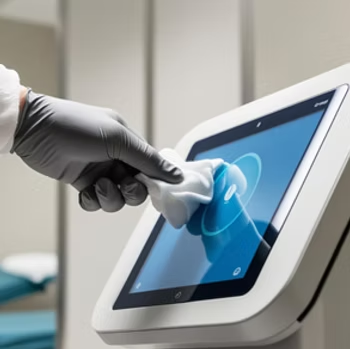
Medical environments demand durable touch panels that can withstand rigorous use, cleaning with harsh chemicals, and exposure to varying environmental conditions. It is crucial to consider:
- Anti-Microbial Coatings: To reduce the risk of infections, especially in patient-facing applications.
- Chemical Resistance: Ensuring the touch panel withstands cleaning agents and disinfectants.
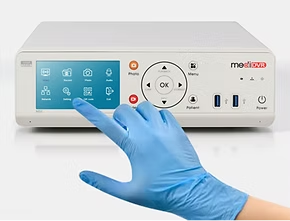
- Precision and Sensitivity: Medical professionals need highly accurate and responsive touch screens for precise operation, even when wearing gloves.
- Touch function in the presence of liquids and gels
4. Optimized Visual Performance
Clear and accurate display performance is non-negotiable in medical applications where every detail matters. Key considerations include:
- High Resolution and Brightness: Critical for readability in high-ambient-light environments, such as operating rooms.
- Wide Viewing Angles: To ensure visibility from various positions.
- Color Accuracy: Essential for applications like imaging and diagnostics.
5. Customized Design for Specific Applications
Different medical devices have unique requirements. Custom touch panels tailored to specific applications can offer a competitive edge.
Examples include:
- Multitouch Capabilities: For advanced interactions in modern medical devices.
- Integration with Existing Systems: Seamlessly working with hospital infrastructure or electronic medical record (EMR) systems.
- Waterproofing: For devices used in sterilized or outdoor settings.
6. Energy Efficiency
Energy-efficient designs contribute to both cost savings and sustainability. Low-power displays reduce heat generation and are ideal for portable or battery-operated medical equipment.
7. Future-Proofing with Emerging Technologies
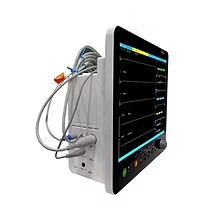
With medical technology evolving rapidly, incorporating innovations such as haptic feedback or edge-to-edge designs can prepare your product for future demands. When you choose to work with us, you ensure access to the latest display and touch panel technologies tailored to your needs.
Partner with DCLTEK for Medical Touch Panel Solutions
Designing touch panels for medical applications requires a thoughtful approach that balances performance, durability, and long-term support. At DCL Technologies, we specialize in custom medical display solutions, offering expertise in regulatory compliance, obsolescence planning, and advanced touch panel technology with manufacturing performed in ISO13485 facilities.
Whether you’re developing diagnostic equipment, surgical tools, or patient monitoring devices, we’re here to bring your vision to life. Contact us today to discuss your project and ensure your touch panel solution is reliable, durable, and ready for the future.
Click here to see all of the options that DCL Technologies can offer for your medical solution.
Frequently asked questions
What regulations apply to touch panels in medical devices?
Medical equipment must comply with stringent industry regulations and certifications, such as ISO 13485 or FDA requirements. Working with a supplier experienced in medical-grade displays helps you navigate them and get your product to market.
How do you ensure long-term availability of a medical touch panel?
Medical devices often stay in use for more than a decade. Plan for obsolescence by choosing components with extended lifecycles, design for backward compatibility so upgrades don’t require major hardware changes, and work with a supplier that provides ongoing support and spare parts over the product’s lifecycle.
What makes a touch panel durable and usable in a medical environment?
Anti-microbial coatings, resistance to cleaning agents and disinfectants, precise and responsive touch even when clinicians wear gloves, and reliable touch function in the presence of liquids and gels.
What display performance do medical applications need?
High resolution and brightness for readability in bright settings such as operating rooms, wide viewing angles for visibility from different positions, and color accuracy for imaging and diagnostics.
See DCLTEK medical displays and monitors.
About DCL Technologies

DCL designs high quality display solutions that meet our clients’ overall objectives.
Our mission is to be the easiest display solution provider to do business with.
Our differentiator is a focus on delivering the best experience to our clients, at every desk. Our core value strategies are focused on making it easy for Engineers, Designers and Purchasing to get things done.
Contact:
Andrew Blum
DCL Technologies
800-407-8917
ablum@dcltek.com
www.dcltek.com